Nonlinear static and dynamic analysis
They are at the core of most of our studies: we use them to determine seismic demand and damage indices, to build fragility curves and to follow the evolution of structural damage.

We provide structural and geotechnical design, analysis and consultancy, with specific expertise in advanced numerical analysis and seismic vulnerability. We follow every intervention from the analysis of the existing structure to its execution, and for each project we develop multiple options together with designers and public and private clients, balancing costs, performance and reliability.
Our analyses cover linear and nonlinear modelling, material characterisation, structural performance assessment, collapse investigations, safety and reliability studies, component life prediction and design optimisation. The techniques come directly from our own research, which keeps the methods we apply aligned with the state of the art.

They are at the core of most of our studies: we use them to determine seismic demand and damage indices, to build fragility curves and to follow the evolution of structural damage.
We apply our research on reinforced concrete elements to the analysis of material constitutive laws and their use in ad-hoc software, to the comparison of experimental tests with numerical models, to micro-models for studying the interaction between concrete and steel and, through fracture mechanics, to elements with small imperfections or discontinuities.
For ESA's Flyeye telescope we performed linear dynamic analyses to evaluate accelerations with special attention to the optics, and designed the stand so that its frequencies would not alter the telescope's behaviour during an earthquake.
For the European Extremely Large Telescope (E-ELT), set to become the world's largest astronomical observatory, we performed the seismic hazard study and designed the 3D seismic isolation system on behalf of the European Southern Observatory (ESO).
We assess the safety and seismic vulnerability of existing structures with advanced calculation models and a rigorous approach that only research experience can guarantee. On monitored structures, integrity is also assessed with data-driven and model-based methods, starting from the data continuously collected by MonStr sensors.

Our extensive experience in structural strengthening allows us to develop the most appropriate solutions for the consolidation, improvement or retrofitting of the structures we analyse. We identify the critical areas, propose strengthening and consolidation solutions, and adopt innovative technologies with materials compatible with those already in place.

We design structures and infrastructures that are not only safe, reliable and sturdy but also sleek and elegant, optimizing each project for functionality and economy with innovative materials and advanced construction techniques.
We work for public and private clients on residential, educational, healthcare, industrial and scientific buildings. In hospitals we implement advanced seismic isolation techniques so that these critical facilities can keep operating even in emergencies; in schools we focus on comfort, accessibility and long-term sustainability.
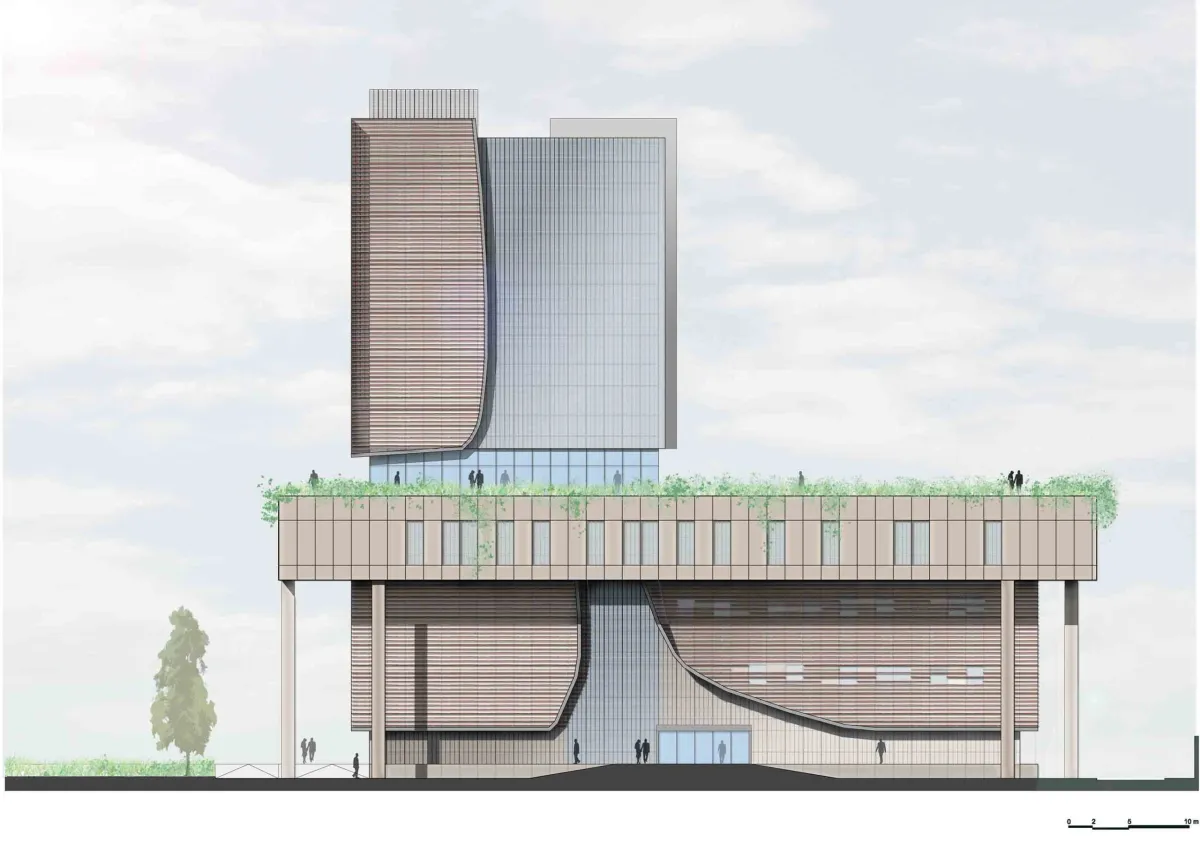
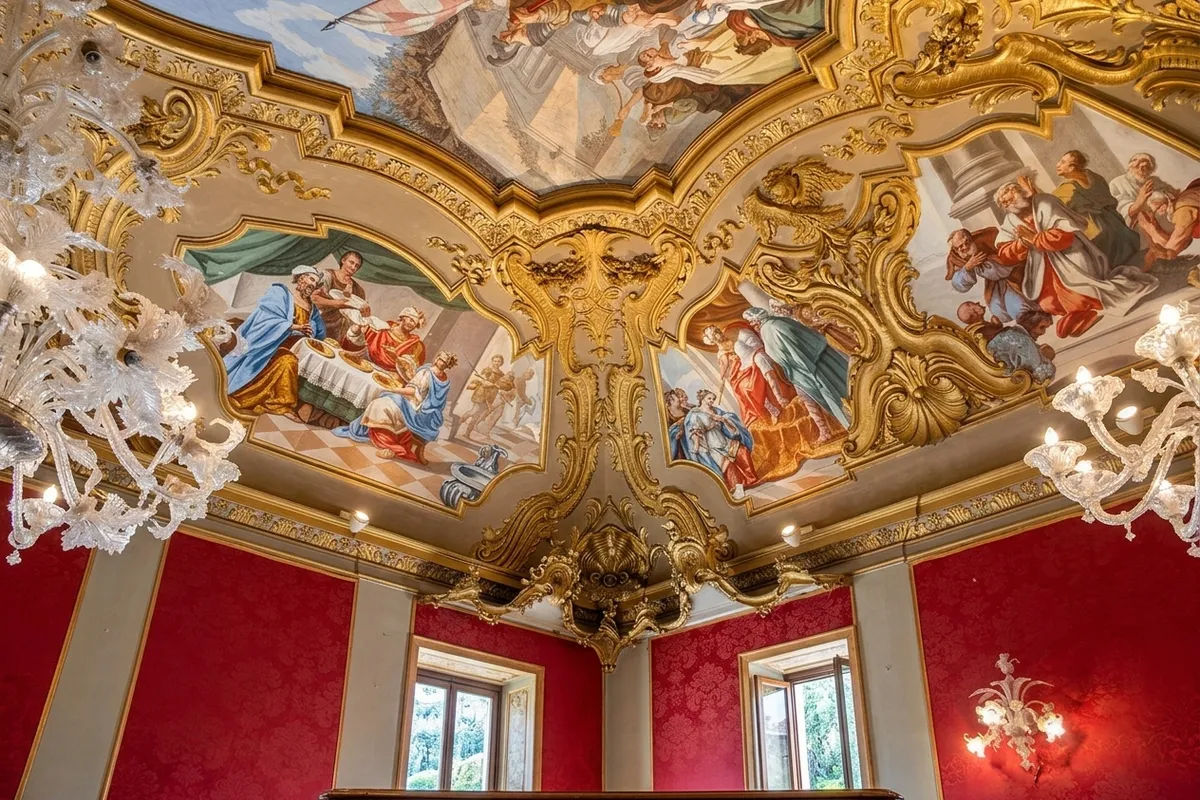
We always seek the right balance between improvement works and preserving the historical features of structures. We specialize in strengthening historical buildings damaged by earthquakes and improving their seismic resilience: we assess their current condition with appropriate computational methods and non-invasive techniques, and design minimally invasive restorations with materials studied for heritage structures that do not detract from their integrity or historic value.
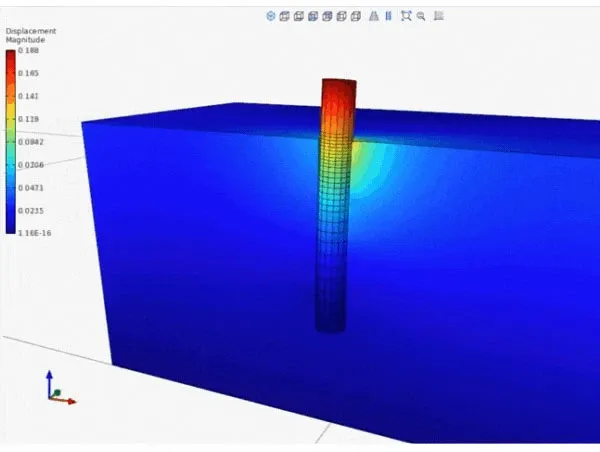
Alongside structural design we provide geotechnical design and account for soil-structure interaction: an aspect often overlooked at the design level, which in seismic analysis can significantly change how a structure responds. Our projects draw on our team's research into the propagation of seismic waves in the ground and seismic amplification due to soil topography and stratigraphy.
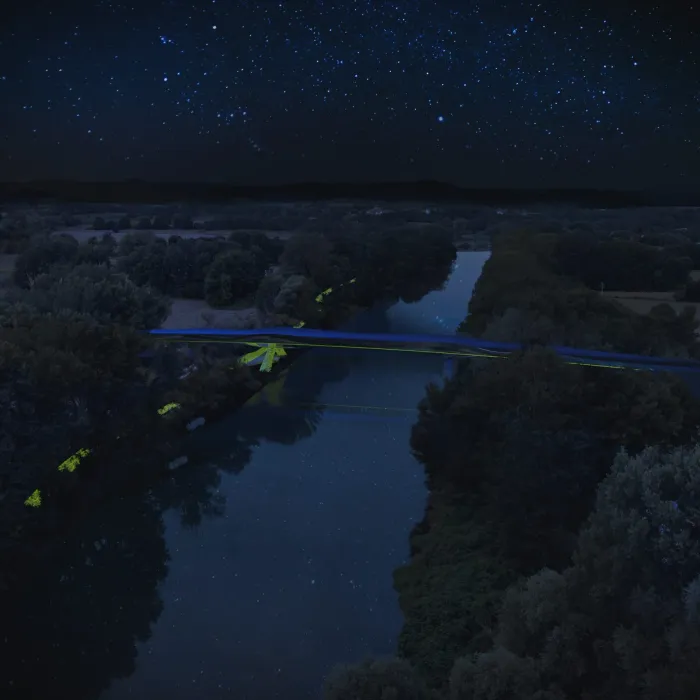
Third-placed design in the Province of Arezzo competition for a new bridge over the Arno next to the historic Buriano Bridge, with five spans, reflective aluminium cladding and photoluminescent elements.
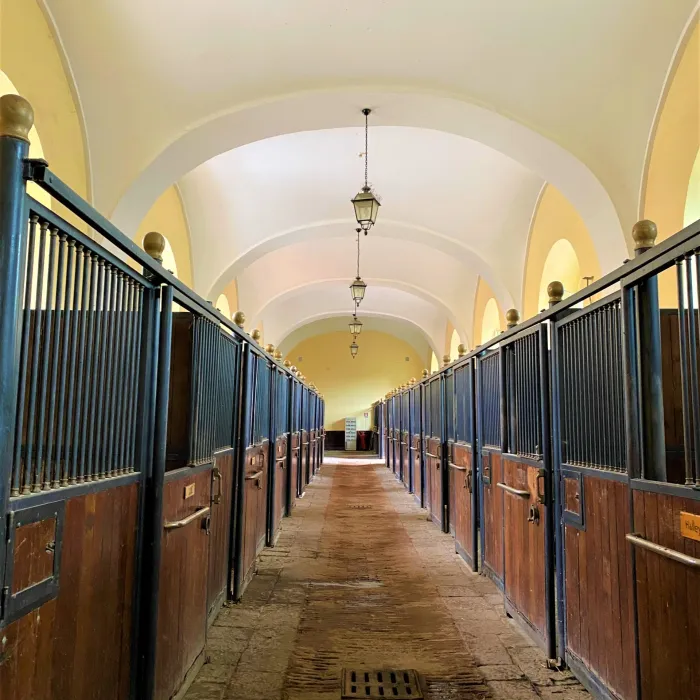
Seismic vulnerability assessment, energy audit, BIM survey and technical and economic feasibility design of the Capodimonte Stables, in the Royal Capodimonte Forest in Naples.

BIM-based structural design of a luxury residential estate in Nairobi, with single-family villas, duplexes and apartments in reinforced concrete and cold-formed steel.

Assessment of the state of degradation and safety of the bridge over the Tramigna stream, at km 303+153 of the A4 motorway, a three-span reinforced and prestressed concrete structure built in the 1960s and widened in 1989–1990.

BIM-based schematic design and design development of two 13-storey reinforced concrete towers in Pescara, with 3D laser scanning and drone survey of the site.

Seismic vulnerability assessment, carried out with non-linear analyses, of the current state of L’Aquila Municipal Theatre, a neoclassical building damaged by the 2009 earthquake.

Static and seismic adaptation of Teramo’s G. Mazzini Hospital through steel exoskeletons with dissipative bracing connected to the existing structure.

Design of the new lower secondary school in Castilenti, replacing the building declared unfit for use after the earthquake of 6 April 2009, with particular attention to seismic design and sustainability.
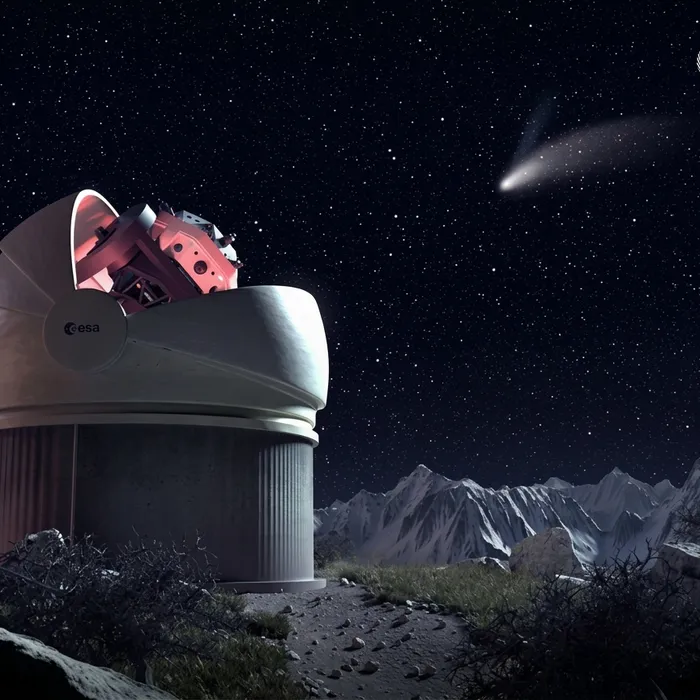
Linear dynamic analysis and base design for ESA’s Flyeye telescope on Monte Mufara, to protect its delicate optics from seismic accelerations.

Repair and local strengthening of Villa Abbati-Tirone in Penne, a listed noble residence severely damaged by the 2016 earthquake.
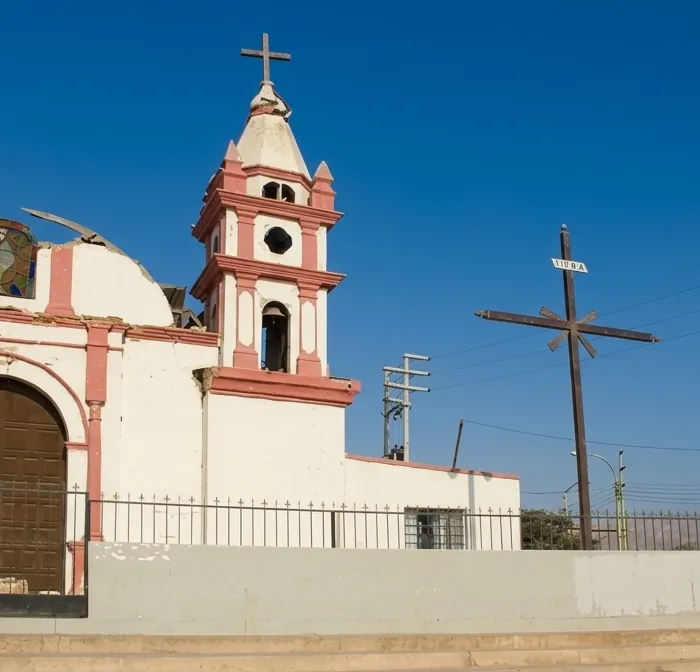
Restoration, reconstruction and static and seismic retrofit of the San José de Los Molinos Church in Ica, Peru, severely damaged by the 2007 earthquake.

Structural and sustainable recovery of the former Monastery of St. Catherine in the historic centre of L’Aquila, severely damaged by the 2009 earthquake, using innovative, reversible and compatible techniques.

Design-and-build contract to improve the detailed design of a two-level underground car park and the office building above it, with double-sliding-surface friction pendulum seismic isolation.
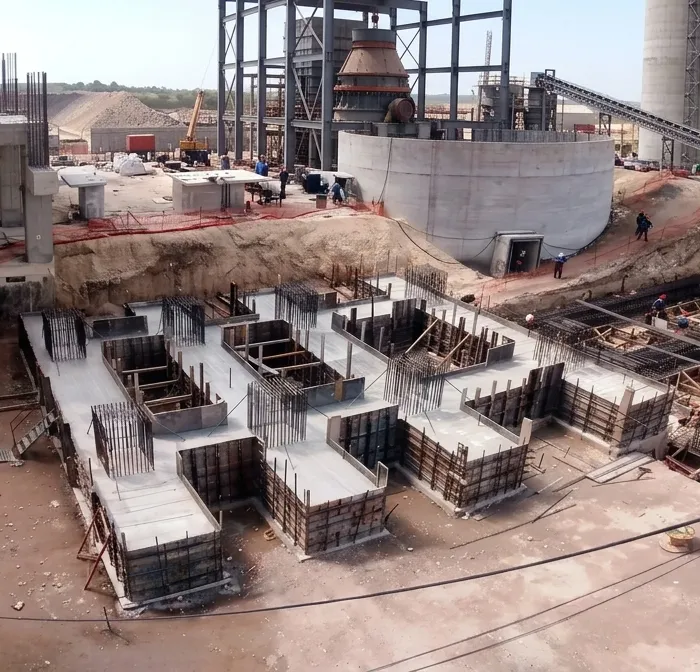
Structural design of the Plug Valve Building and the Clay Processing Plant at the CEMENTOS Y CONCRETOS Moctezuma cement plant in Veracruz, Mexico, in a highly seismic area and under very high design loads.

Structural design for the repair and seismic improvement of Centi Palace in L’Aquila, one of the most important monuments of the L’Aquila Baroque, heavily damaged by the 2009 earthquake.
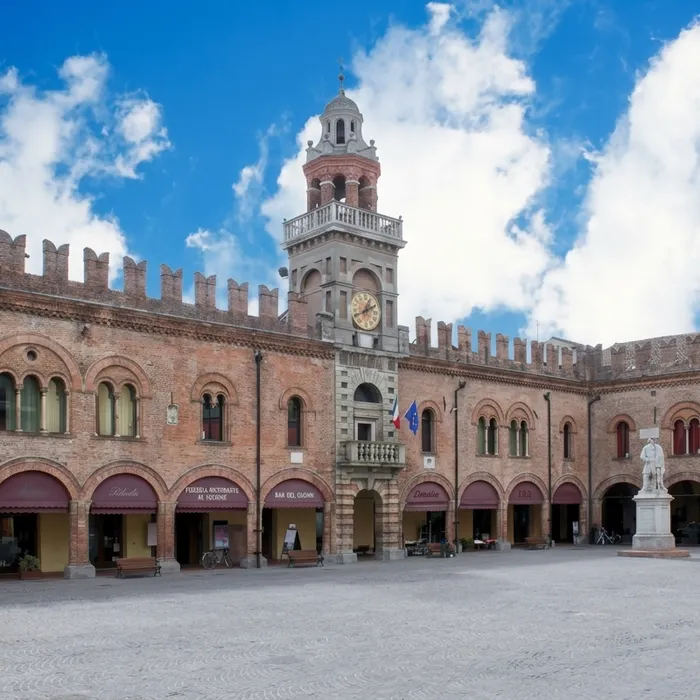
Repair of the 2012 earthquake damage and seismic improvement of Cento City Hall, a listed historic building, with 3D laser scanning and drone survey.

Structural design of the steel structures supporting the flue gas treatment systems of a 25 MW biomass-fired thermoelectric power plant in S. Agata di Puglia.

Seismic improvement and energy efficiency of the two hospital buildings of the diabetology and cardiology centers in Kut, Iraq, with a sliding pendulum base isolation system and a double skin façade.
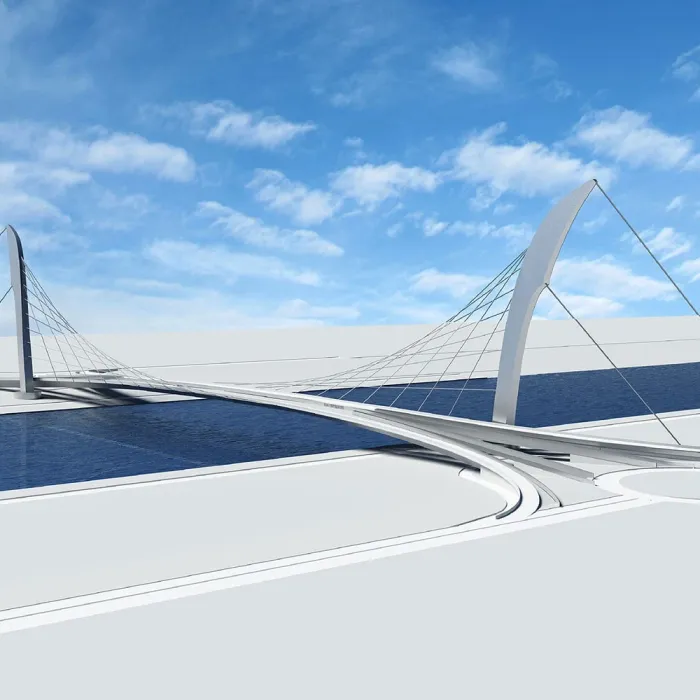
Two design proposals for the Petra Indah Bridge in Malaysia, a five-span prestressed concrete box girder bridge with an illuminated cover over the central span and a cable-stayed bridge with two towers.

BIM-based structural design of St. Stephen’s Anglican Church in Otuoke, Nigeria, with a double-curved steel gridshell spanning 60 m and rising 37 m.

Repair of the damage caused by the April 2009 earthquake, seismic improvement and redevelopment of the Ex G.I. Maschile building in L’Aquila, including a full makeover of the Council Chamber.
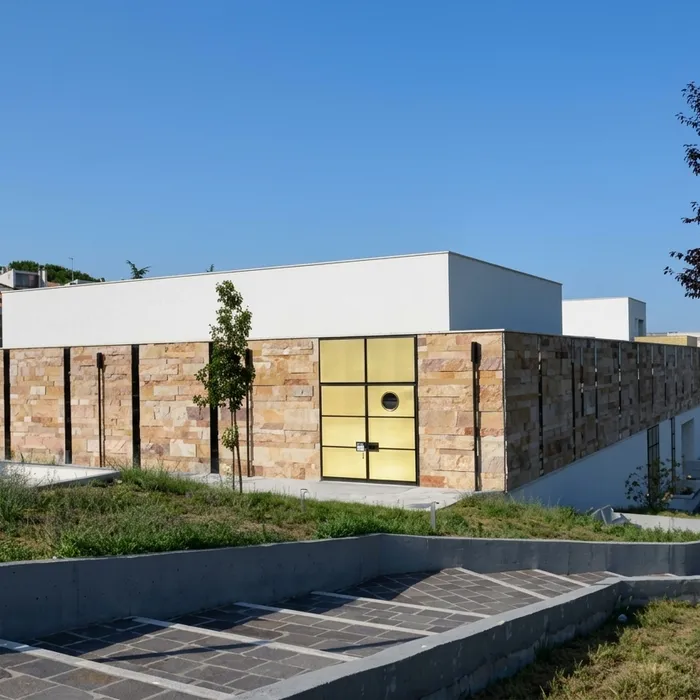
Preliminary, final and detailed design and construction management of the “Il Risorto” (Risen Lord) Parish Complex in Teramo, comprising a rectory, a steel-framed church and a weekday chapel.

Repair and seismic improvement of Villa Raisi in Medolla, a historic masonry building severely damaged by the earthquake of 29 May 2012, including the consolidation of its large central dome.

Seismic vulnerability assessment and planning of interventions to mitigate the structural deficiencies of the monumental complex that houses the Municipal Residence of the Municipality of Ravenna.

Seismic hazard study and three-dimensional (horizontal and vertical) seismic isolation system for ESO’s E-ELT on Cerro Armazones, Chile.

Renovation and seismic retrofit of the former wine cooperative complex in Città Sant’Angelo, transformed into a hotel, retail and commercial venue.

Structural design of the Ta’ Barkat sewage treatment plant in Malta, a complex of biofiltration tanks spread over five buildings and an industrial building for sludge treatment.

Seismic vulnerability assessment of the church of Santa Maria Maggiore in Guardiagrele through nonlinear numerical models of the masonry and soil-structure interaction analysis.

Seismic evaluation and seismic improvement design of the Cyclone Tower, a 73 m high structure at the Cementi Rossi plant in Pederobba, strengthened with EB-FRP carbon fibers and an epoxy resin tailored to its high operating temperatures.