The Journey of Structural Engineering: Bridging Ancient Ingenuity and Modern Sustainability
Structural engineering is woven into the fabric of human civilisation. From ancient marvels like the Pyramids of Giza to modern achievements like the Burj Khalifa, the discipline keeps pushing the boundaries of architectural possibility. This evolution is about aesthetics and scale, but also about the innovative materials and sustainable practices that are redefining the field’s core principles.
The journey began with ancient civilisations that mastered colossal structures with limited technology. The Romans introduced concrete, setting the stage for future advances; in the medieval period, Gothic architecture introduced pointed arches and flying buttresses, which allowed buildings to reach new heights while maintaining their structural integrity.
With the Industrial Revolution, materials like steel and reinforced concrete opened new avenues for construction, including the skyscraper. In the 20th century, professional bodies such as the Institution of Structural Engineers (IStructE) standardised practices and strengthened safety through rigorous design standards.
Technology at the service of design
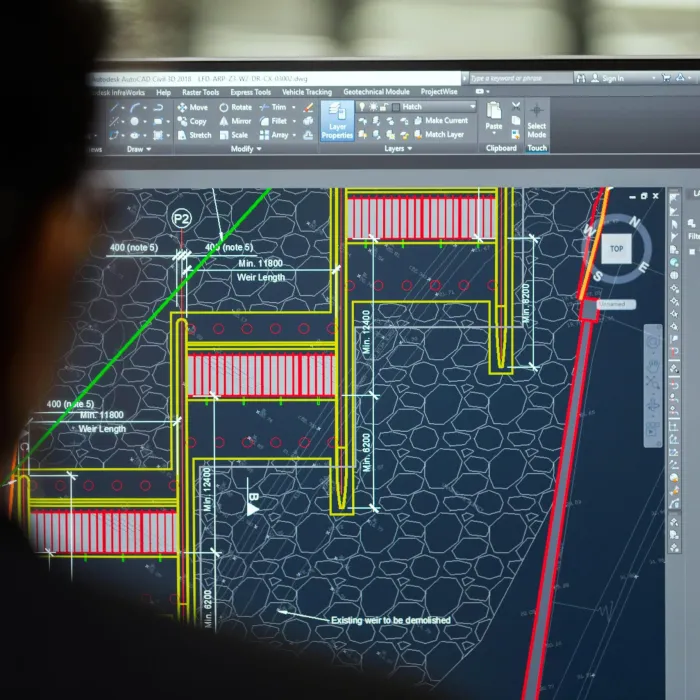
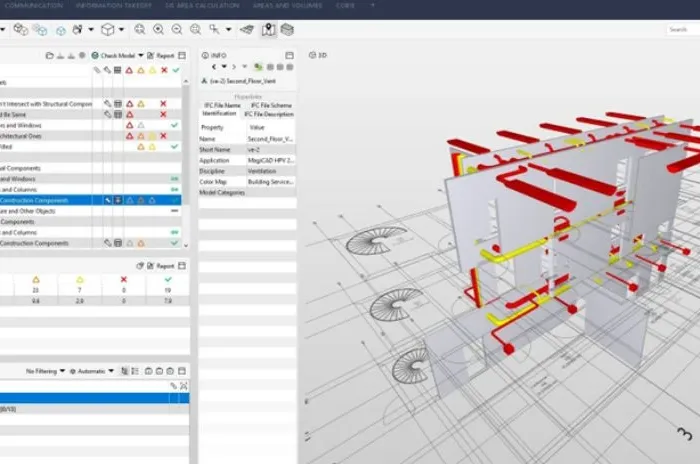
Today technological advances have a deep influence on structural engineering. Building information modelling (BIM) and advanced simulation software let engineers create detailed 3D models, run virtual tests and optimise structural designs. Artificial intelligence is revolutionising design processes by generating efficient, innovative solutions quickly.
Modern structural design must also be sustainable and resilient. Cement technology innovations such as geopolymers and high-volume fly ash are significantly reducing the carbon footprint of construction, and recycled polymer fibres in concrete reduce reliance on traditional steel reinforcement while improving durability and resistance to environmental factors.
Structural health monitoring (SHM) systems like the MonStr system also support sustainability goals: they provide real-time data on the health of a structure, ensure timely maintenance and extend the life span of infrastructure while reducing waste.
- Category
- Research & Knowledge
- Sources
- Smoky Hill Engineering (2023), Unveiling the Legacy: The History of Structural Engineering
- Novatr (2023), Top 5 Structural Engineering Trends in 2024
- Perry Associates (2022), How Technology is Changing the Structural Engineering Industry
- Author
- ASDEA Engineering

Structural engineering is a testament to human ingenuity and the relentless pursuit of innovation. From ancient techniques to cutting-edge technologies and sustainable practices, engineers will keep shaping skylines and creating safe, functional and environmentally responsible structures, driven by advances in materials science, digital design techniques and a better understanding of environmental impacts.