BIM and the Future of Civil Engineering
Building Information Modeling (BIM) has been creating waves in civil engineering, and with good reason. You may need clarification on what BIM is, or you may already be familiar with it, but why is it crucial to the future of civil engineering? As technology advances, it is unsurprising that BIM is rapidly becoming an essential component of contemporary engineering practices.
BIM refers to constructing digital representations of a building’s physical and functional characteristics, resulting in a complete and accurate 3D model that can be used throughout the building’s entire life cycle. This technology is revolutionizing the design, construction, and management of civil engineering projects, providing numerous benefits to industry professionals.
BIM’s significance has been acknowledged by many nations, including Italy, where the number of tender competitions requiring BIM has continued to grow. The Italian engineering industry’s representative body, OICE, reported 1003 BIM tenders worth $2.1 billion last year, a significant increase from previous years.
One of the features that make BIM so attractive, according to a recent engineering graduate who is training to be our next BIM Specialist, is coordination.
By utilizing a comprehensive 3D model that represents the entire life cycle of a building, construction professionals can better coordinate their efforts, ensuring that each phase of the project is completed with the utmost efficiency and quality. We recognize the advantages of digitization and BIM and encourage our team to train and continuously learn the technologies and software involved.
- Category
- Publications & White Papers
- Author
- ASDEA Engineering
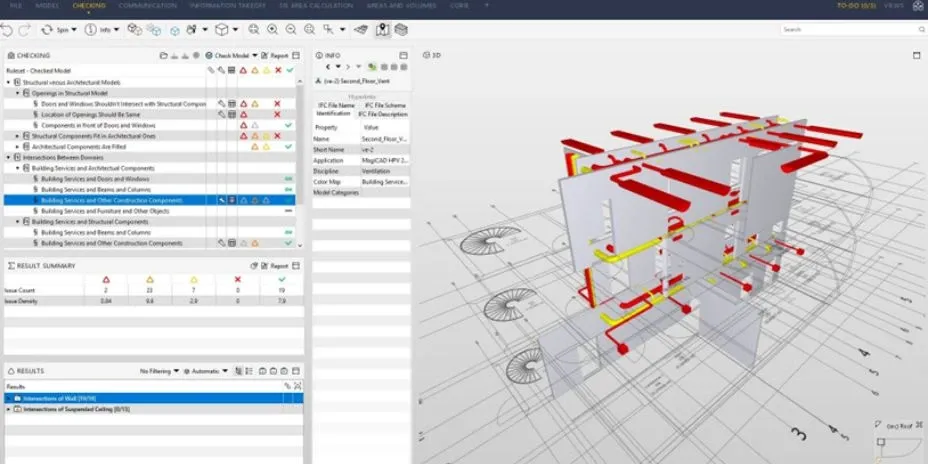
The most intriguing aspect is the possibility of interaction between the various phases and disciplines of construction; furthermore, it is simpler and more efficient for the various parties involved to work together, thereby reducing the likelihood of error.

