AI in Civil Engineering: an Augmentation, Not a Replacement
In the ever-evolving landscape of technology, artificial intelligence (AI) has emerged as a transformative force, reshaping industries and redefining the way we approach problem-solving. While some speculate about AI replacing humans, the reality is far more nuanced, especially in engineering: AI does not make engineers obsolete, it is a catalyst for innovation. There is a symbiotic relationship between AI and engineers, which sheds light on the shifts under way in civil engineering and confirms the indispensable role of human expertise.
By automating repetitive tasks and offering valuable insights, AI lets engineers concentrate on complex problem-solving and innovation. Rather than replacing people, it is a tool that makes engineering work more efficient and effective.
AI in structural health monitoring
In structural health monitoring (SHM), our team has pioneered an approach that harnesses AI, as detailed in a series of research papers. Developed by ASDEA Hardware and ASDEA Software, the MonStr system integrates traditional processes with cutting-edge deep learning tools to monitor and safeguard structures. Built on MEMS technology, the MonStr sensors outperform conventional networks in signal sampling, noise reduction and synchronisation management.
The MonStr sensor network uses the open-source HDF5 format for signal management. To make SHM even more reliable, the authors of “A Disruptive Strategy for Structural Health Monitoring with STKO” propose a hybrid solution that combines data-driven approaches with model-based techniques and introduces the concept of a digital twin of the structure. The workflow is integrated within STKO: it overcomes format incompatibilities, prevents data loss and streamlines the SHM process.
The strength of this solution lies in the integration of MonStr devices, STKO, Python tools for parallel computing and the HDF5 data format, which together make the approach robust and efficient.
The synergy between AI and engineering holds immense potential: integrating AI with established practices such as building information modelling (BIM) and SHM systems is a promising avenue for revolutionising construction, monitoring, safety and sustainability.
- Category
- Research & Knowledge
- Sources
- Aceto, L. et al. (2022), A Self-Consistent Artificial Intelligence-Based Strategy for Structural Health Monitoring
- Amelio, A. et al. (2022), A disruptive strategy for structural health monitoring with STKO
- Abioye, S.O. et al. (2021), Artificial intelligence in the construction industry: A review of present status, opportunities and future challenges
- Author
- ASDEA Engineering
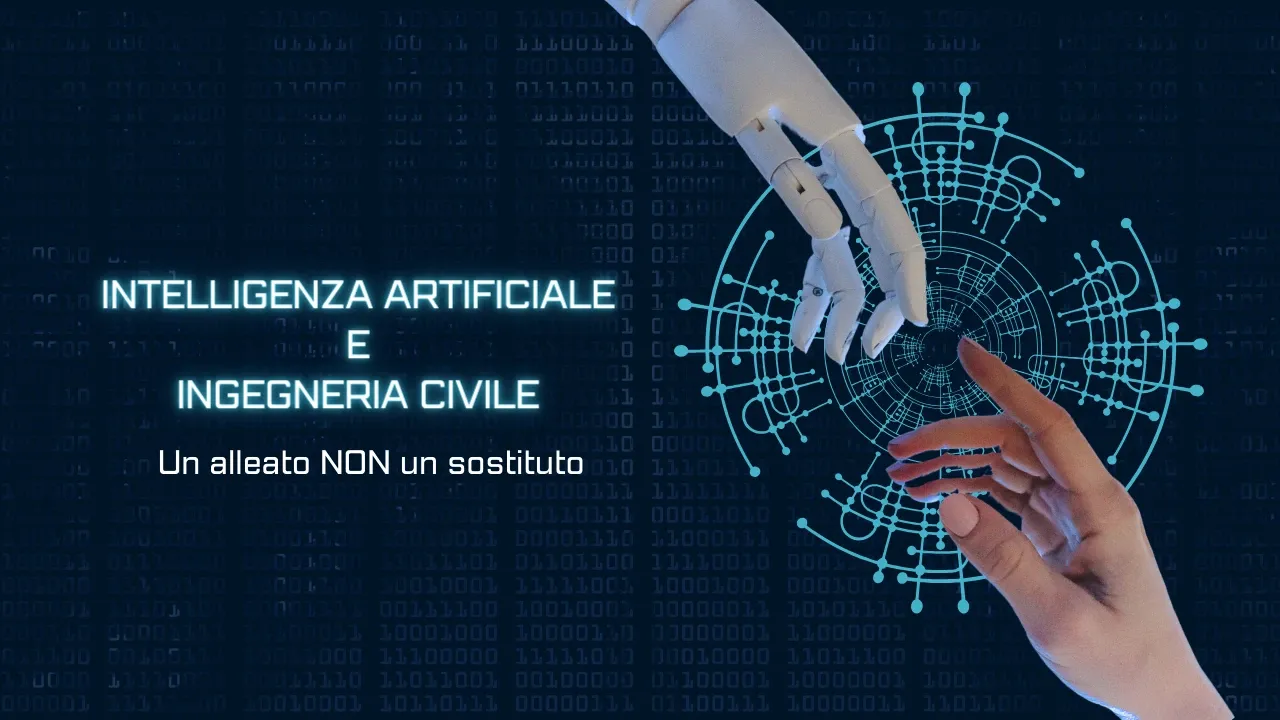
Artificial intelligence has become a standard tool for data analysis and prediction-making for problems arising in all scientific applications.
As L. Aceto et al. illustrate in "A Self-Consistent Artificial Intelligence-Based Strategy for Structural Health Monitoring", this role of AI integrates with civil engineering and construction practices, and opens new avenues across the whole field.
Exciting as it is, AI is far from simple to navigate. The construction sector poses distinctive challenges, from remote locations to the unique complexity of every project, which call for creative solutions: that is why collaboration between civil engineers, programmers and AI engineers is essential.

